
EPWP vs SETA Learnerships: Your 2026 Guide to Skills and Employment in South Africa

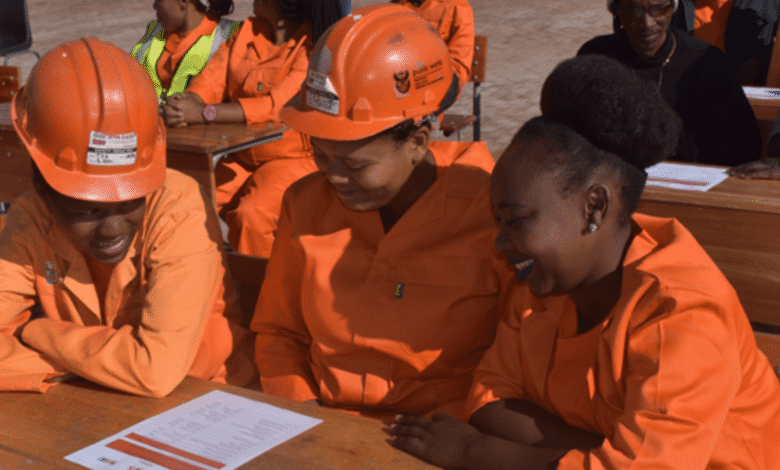
Finding work in South Africa can be challenging, especially for young people with limited experience or formal qualifications. To address unemployment and skills shortages, the government and private sector offer programmes designed to open doors into the job market. Two of the most common pathways are the Expanded Public Works Programme, known as EPWP, and SETA Learnerships.
While both programmes aim to improve employability, they are very different in how they operate, what they offer, and how they impact long-term career growth. Understanding these differences is essential before deciding which option best suits your situation and goals.
This guide explains EPWP and SETA Learnerships in simple terms, compares their benefits and limitations, and helps you choose the right path for 2026.
What Is the Expanded Public Works Programme (EPWP)?
The Expanded Public Works Programme is a government initiative created to provide short-term work opportunities to unemployed South Africans. It focuses mainly on people with little or no work experience and low levels of formal education.
EPWP projects are run by municipalities, government departments, and approved non-government organisations. The work is usually labour-intensive and community-based, offering immediate income rather than long-term employment.
The programme was introduced to reduce poverty, improve community services, and give participants basic exposure to the world of work.
Key Features of EPWP
EPWP contracts are usually short, lasting between three and six months, although some projects may run for up to a year. The work typically involves manual or service-based tasks such as cleaning, road maintenance, community safety, early childhood development support, or environmental projects.
Training is limited and generally focuses on basic workplace skills, safety awareness, and teamwork. This training is not accredited and does not result in a formal qualification.
Participants receive a stipend that varies depending on the project and location. While the income provides short-term relief, it is usually lower than stipends offered in structured training programmes.
Who Qualifies for EPWP?
EPWP is open to South African citizens or permanent residents who are unemployed. There are no formal education requirements, which makes the programme accessible to individuals who did not complete school.
Preference is often given to young people, women, and persons with disabilities in line with employment equity goals. Applicants must be willing to perform physically demanding or community-focused work.
Benefits of EPWP
One of the biggest advantages of EPWP is accessibility. You do not need Matric or prior experience to participate. The programme provides immediate income and helps participants gain basic work exposure.
EPWP also allows individuals to contribute to their communities while developing discipline, time management, and teamwork skills. For many people, it serves as a first step into the working world.
Limitations of EPWP
Despite its benefits, EPWP has clear limitations. Contracts are temporary and offer no job security once the project ends. The stipend is often not enough to cover long-term living costs.
Most importantly, EPWP does not provide a formal qualification. This makes it difficult for participants to compete for skilled or permanent jobs after completing the programme.
What Are SETA Learnerships?
SETA Learnerships are structured training programmes funded through South Africa’s Sector Education and Training Authorities. These learnerships combine classroom-based learning with practical workplace experience and lead to nationally recognised qualifications.
Each SETA focuses on a specific industry, such as business services, engineering, agriculture, health, finance, or tourism. Learnerships are designed to address skills shortages while preparing participants for long-term employment.
Key Features of SETA Learnerships
SETA Learnerships usually run for twelve to twenty-four months, depending on the qualification level. Learners spend part of their time studying theory through an accredited training provider and the rest gaining hands-on experience at a host employer.
The training follows a structured curriculum aligned with the National Qualifications Framework. Upon completion, learners receive an accredited qualification that is recognised across South Africa.
Participants receive a monthly stipend throughout the programme. While it is not a salary, it is generally higher than EPWP stipends.
Types of SETA Learnerships
SETA Learnerships cover a wide range of fields. Some focus on technical and engineering skills, while others are centred on administration, finance, healthcare, agriculture, tourism, or information technology.
Entry-level learnerships may start at lower NQF levels, while others are designed for Matric graduates aiming to build professional careers.
Who Qualifies for SETA Learnerships?
Most SETA Learnerships require applicants to be South African citizens between the ages of 18 and 35. Educational requirements vary, but many programmes require at least Grade 9 or Matric, depending on the qualification level.
Applicants must usually be unemployed and willing to commit to both the training and workplace components of the programme. A clear interest in the chosen industry is also important during the selection process.
Benefits of SETA Learnerships
The biggest advantage of a SETA Learnership is the formal qualification you receive. This significantly improves your chances of securing employment or continuing with further studies.
Learners also gain real workplace experience in a structured environment, making them more attractive to employers. In some cases, learners are absorbed into permanent positions after completing the programme.
SETA Learnerships offer clearer career pathways and long-term benefits compared to short-term work programmes.
Limitations of SETA Learnerships
SETA Learnerships are highly competitive, with many applicants competing for limited spaces. The application process can be lengthy and often includes assessments and interviews.
While stipends help cover basic costs, they may not fully support all living expenses. Learners must also commit fully to the programme, as attendance and performance are closely monitored.
EPWP vs SETA Learnerships: Key Differences Explained
EPWP focuses on short-term employment and immediate income, while SETA Learnerships focus on skills development and long-term employability. EPWP offers basic, non-accredited training, whereas SETA Learnerships lead to recognised qualifications.
EPWP is ideal for individuals who need quick income and have limited education. SETA Learnerships are better suited for those who want to build a career and are willing to commit to structured training.
Which Option Is Right for You?
Choosing between EPWP and a SETA Learnership depends on your personal circumstances.
Choose EPWP If
You need immediate income, have little or no formal education, and are open to short-term, manual, or community-based work. EPWP can help you survive financially while you explore other opportunities.
Choose a SETA Learnership If
You have at least basic schooling, want a recognised qualification, and are focused on long-term career growth. A SETA Learnership is a stronger option if you are serious about improving your employability.
Conclusion
Both EPWP and SETA Learnerships play important roles in tackling unemployment in South Africa, but they serve very different purposes. EPWP provides short-term relief and basic work exposure, while SETA Learnerships offer structured training, qualifications, and real career pathways.
If your goal is survival and immediate income, EPWP can be a useful starting point. However, if you are looking to build a sustainable future with recognised skills and better job prospects, a SETA Learnership is the stronger choice for 2026 and beyond.
Understanding these differences allows you to make informed decisions and choose the path that aligns with your goals, abilities, and long-term ambitions.







I’m looking for a job security or cleaning