Learnerships

How to Be Selected for iLearn Learnerships in South Africa (2026 Guide)

Breaking into the job market without experience is one of the biggest challenges facing young South Africans. iLearn Learnerships offer a practical solution by combining structured learning with real workplace exposure. These programmes are designed to help unemployed youth gain nationally recognised qualifications while developing skills that employers actually need.

If you are planning to apply for an iLearn Learnership in 2026, understanding how the selection process works and how to present yourself as a strong candidate can significantly improve your chances. This guide explains what iLearn learnerships are, who qualifies, how to apply, and what you can do to stand out.

What Are iLearn Learnerships?

iLearn is a registered South African training provider that delivers SETA-accredited learnerships across various sectors, including business administration, information technology, logistics, and other occupational fields. These learnerships usually run for 12 months and are structured to include both theoretical training and practical workplace experience.

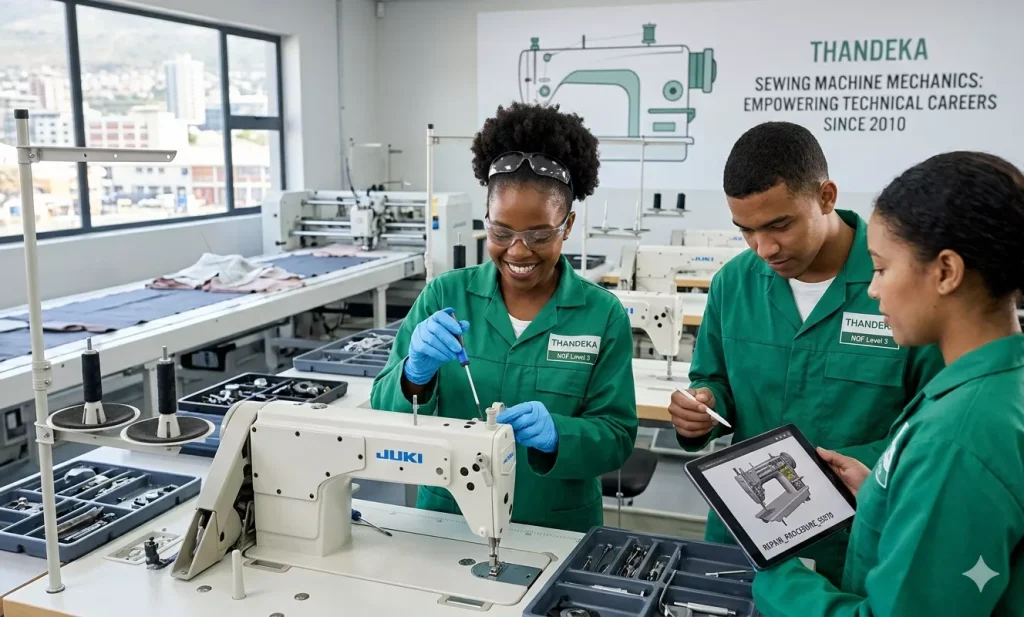
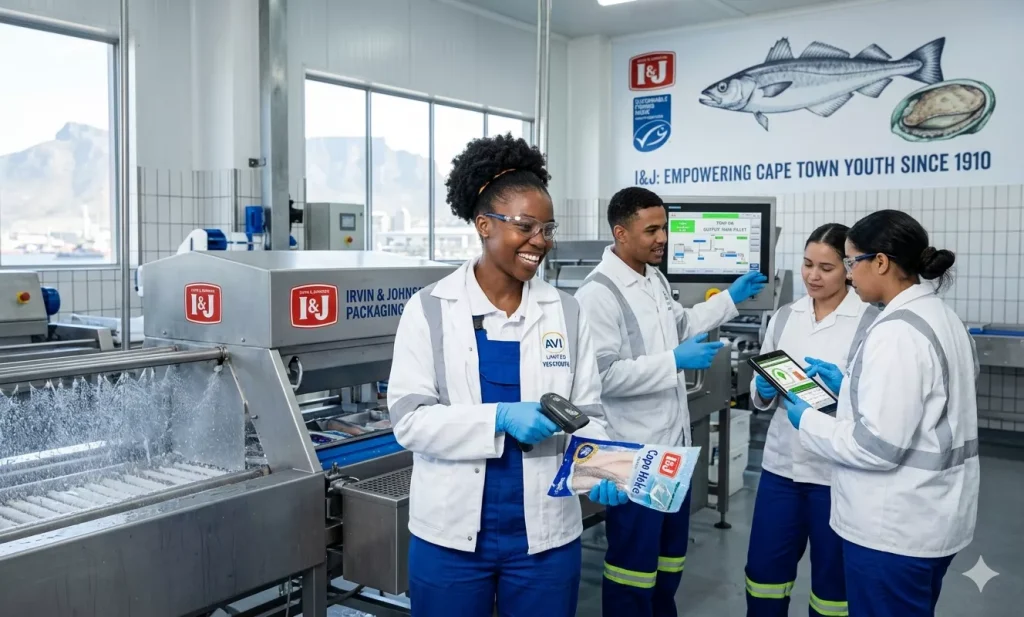
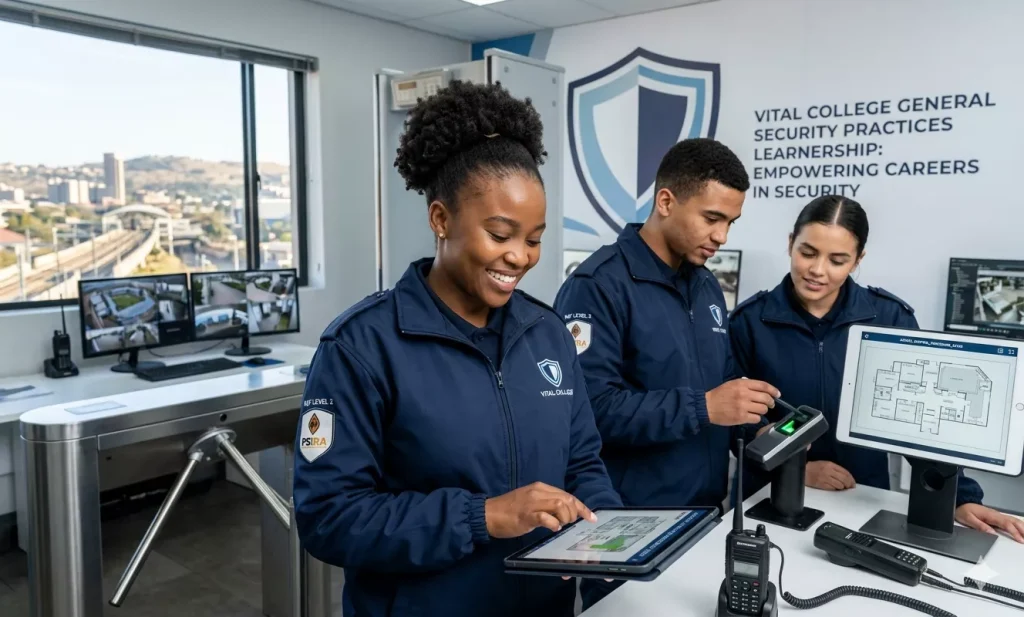
Most iLearn learnerships are sponsored by companies as part of their skills development and transformation initiatives. Learners are placed with host employers where they gain hands-on experience while completing formal training modules. Participants receive a monthly stipend, which helps cover basic living and transport costs during the programme.

Eligibility Criteria for iLearn Learnerships 2026

Meeting the eligibility requirements is the first step toward being selected. While specific requirements may vary depending on the learnership, iLearn generally looks for candidates who meet the following criteria.

Basic Requirements

Applicants must be between 18 and 34 years old
Must be South African citizens with a valid ID
Must be unemployed at the time of application
Must be available to commit to the full duration of the learnership

Educational Requirements

Minimum requirement is usually Grade 10
Some programmes require Matric or post-school qualifications
Basic numeracy, literacy, and computer skills are often required

Equity and Inclusion

Preference is often given to candidates from historically disadvantaged backgrounds
Learnerships are open to both able-bodied applicants and persons with disabilities
Applicants with disabilities may be required to submit a valid medical confirmation

Meeting the minimum requirements does not guarantee selection, as learnership intake numbers are limited and competition is high.

How to Apply for iLearn Learnerships

The application process is straightforward, but attention to detail is critical. Incomplete or incorrect applications are often rejected early in the process.

Check the official iLearn website (www.ilearn.co.za) regularly for open learnership opportunities. Intake depends on client requests, so applications are continuously open, but specific start dates are communicated only to successful candidates.

Step 1: Monitor Available Opportunities

iLearn does not always follow fixed intake dates. Learnership opportunities are opened based on client demand, so it is important to check for updates regularly and apply as soon as opportunities become available.

Step 2: Prepare Your Documents

Applicants are usually required to submit the following:

Updated CV that highlights education, skills, and career interests
Certified copy of South African ID
Certified copy of highest qualification achieved
Proof of residential address
Proof of SARS income tax number
Disability confirmation (if applicable)

Ensure that all certified documents are recent and clearly legible.

Step 3: Submit a Complete Application

All information must be completed accurately on the application platform. Missing documents or incomplete sections can result in automatic disqualification.

iLearn Learnership Selection Process

Once applications close, shortlisted candidates move through several selection stages.

Initial Screening

Applications are reviewed to ensure that minimum requirements are met. Only qualifying candidates are shortlisted for further consideration.

Interviews

Shortlisted applicants may be invited to attend interviews conducted either in person, telephonically, or online. Interviews assess communication skills, motivation, reliability, and alignment with the learnership goals.

Assessments

Some learnerships require basic aptitude, literacy, or psychometric assessments. These tests help determine whether a candidate is suitable for the occupational demands of the programme.

Verification and Checks

Final candidates may be required to undergo:

Qualification verification
Background and criminal record checks
Medical fitness assessments where applicable

Successful candidates receive formal communication confirming their placement.

Tips to Improve Your Chances of Selection

Competition for learnerships is intense, but strong preparation can set you apart.

Create a Strong CV

Keep your CV clear and honest
Highlight your education, skills, and willingness to learn
Include volunteer work or short courses if applicable

Write a Clear Motivation

If required, explain why you want the learnership
Show how it fits into your long-term career goals
Demonstrate commitment and reliability

Prepare for Interviews

Practice answering common interview questions
Be ready to explain your career goals
Show confidence, punctuality, and professionalism

Apply Early

Early applications are often reviewed first
Avoid last-minute submissions that increase the risk of errors

iLearn Hosted Learnerships Explained

Many iLearn programmes operate as hosted learnerships. This means:

iLearn provides the accredited theoretical training
A host company provides workplace experience
Learners gain real exposure to industry environments

This structure allows learners to build professional networks while gaining experience that improves employability after completion.

Why iLearn Learnerships Are Worth Applying For in 2026

iLearn learnerships offer several long-term benefits:

Nationally recognised qualifications
Monthly stipends for financial support
Practical workplace experience
Improved employability after completion
Opportunities to transition into permanent roles or further training

For many young people, a learnership becomes the first step toward a stable and sustainable career.

Conclusion

Being selected for an iLearn Learnership in South Africa in 2026 requires more than just meeting the minimum requirements. Successful applicants prepare early, submit complete applications, and clearly demonstrate their commitment to learning and personal growth. By understanding the selection process and presenting yourself professionally at every stage, you significantly improve your chances of success. If you are serious about building skills, gaining experience, and improving your future employability, an iLearn learnership can be a powerful starting point.

Sizwe Nxumalo

Sizwe Nxumalo is an education advocate and digital content creator who helps young South Africans find career and learning opportunities. Through *https://studentdesk.co.za* , She shares practical articles on learnerships, internships, bursaries, and job-readiness. Her goal is to guide students and job seekers with reliable information that supports informed career and education decisions.

Related Articles

Leave a Reply

Your email address will not be published. Required fields are marked *

Back to top button