Top Nursing Courses at South African Colleges 2026: Intakes, Fees, Requirements and How to Apply Safely


Discover the top nursing courses at South African colleges in 2026, including intakes, entry requirements, estimated fees, and how to verify SANC accreditation to avoid scams.
Nursing remains one of the most competitive and sought-after qualifications in South Africa. Every year, thousands of applicants are turned away from public colleges. At the same time, many desperate students fall victim to fake colleges promising “late applications” and guaranteed placements.
If you are exploring nursing courses for 2026, it is important to understand three key realities:
- Most public college applications closed in 2025 for the 2026 intake.
- Private hospital colleges often offer mid-year or second intakes.
- The nursing curriculum has changed — older certificate routes are no longer standard.
This guide explains what you can study, where you can apply, what it will cost, and how to protect yourself from scams.
The Current Nursing Qualification Structure
The South African nursing curriculum changed in recent years. You can no longer enrol in the old “Enrolled Nurse” certificate programmes.
Here are the recognised qualifications currently offered:
Higher Certificate in Nursing (R.169)
- Duration: 1 year
- NQF Level: 5
- Outcome: Auxiliary Nurse
This qualification focuses on basic patient care such as feeding, hygiene assistance, and monitoring vital signs.
Typical Entry Requirements:
- Matric (NSC)
- Life Sciences at approximately 40%
- English at approximately 40%
- Mathematics Literacy usually accepted
Diploma in Nursing (R.171)
- Duration: 3 years
- NQF Level: 6
- Outcome: General Nurse (Staff Nurse)
Graduates can administer medication and manage wards under supervision.
Typical Entry Requirements:
- Matric with Diploma pass
- Life Sciences at 50% or higher
- English at 50%
- Pure Mathematics preferred, though some colleges accept Mathematics Literacy at a higher level
Bachelor of Nursing (R.174)
- Duration: 4 years
- Outcome: Professional Nurse and Midwife
This qualification is offered by universities rather than most nursing colleges.
Private Nursing Colleges: Mid-Year Opportunities
If you missed public college deadlines for 2026, private hospital colleges may still offer opportunities.
Netcare Education
Netcare operates one of the largest private nursing education systems in South Africa.
Campuses include:
- Johannesburg (Auckland Park)
- Pretoria
- Umhlanga
- Bellville
- Port Elizabeth
Intakes are typically January and June.
Applications must be submitted through official Netcare channels only.
Life Healthcare College of Learning
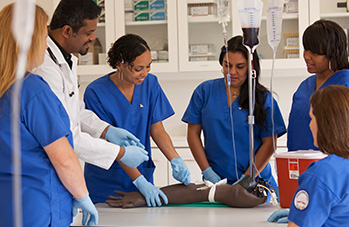
Life Healthcare runs accredited nursing programmes across several provinces.
Applications for major intakes usually open mid-year for the following academic year. Occasionally, limited mid-year spots may be available.
Mediclinic Higher Education

Mediclinic offers competitive nursing and emergency care programmes.
Their Higher Certificate in Nursing is often used as an entry point for students who do not yet qualify for the Diploma.
Public Nursing Colleges: 2026 Status
Most government nursing colleges closed applications in 2025 for the 2026 intake.
Colleges typically close between August and November of the previous year.
If you missed the 2026 intake, your best option is to prepare for the 2027 application cycle, which usually opens around June 2026.
Occasionally, unfilled positions are advertised locally if selected students withdraw. These are usually announced through provincial health departments rather than social media.
Discover New Internships and Learnership Programs Below
- Apprenticeships
- Blog
- Bursaries
- Government Vacancies
- Internships SA
- Learnerships
- Uncategorized
- Yes Programme
Estimated Fees for Private Colleges
Government colleges are subsidised and may offer stipends. Private colleges are not subsidised.
Approximate costs:
- Higher Certificate: R50,000 – R65,000
- Diploma: R60,000 – R80,000 per year
- Additional costs: Uniforms, books, SANC registration
NSFAS does not fund private nursing colleges. Funding options usually include private student loans.
How to Avoid Nursing College Scams
Nursing is one of the most targeted sectors for fraud.
Common scam signs include:
- “Late applications open” posts on Facebook
- Requests to WhatsApp a private number
- Payment requests via Pep, Shoprite Money Market, or eWallet
- Gmail or Yahoo email addresses
Legitimate colleges:
- Use official corporate bank accounts
- Use institutional email domains
- Do not request Money Market payments
How to Verify Accreditation
Before paying any fees, always verify accreditation with the South African Nursing Council (SANC).
Steps:
- Visit the official SANC website
- Search for the list of Accredited Nursing Education Institutions (NEIs).
- Confirm that the college is accredited for the new qualifications (R.169 or R.171).
If the qualification is not listed, you may not be eligible for professional registration.
Alternative: Health Care Worker Courses
Short courses such as Home-Based Care or Caregiver training do not lead to professional nurse registration.
These programmes may qualify you to work in old age homes but do not allow hospital nurse registration.
Only pursue these if your goal is caregiving, not nursing registration.
How to Apply Safely
When applying:
- Apply only through official college websites.
- Never pay a registration fee through informal payment channels.
- Confirm accreditation before payment.
- Keep copies of all correspondence.
If unsure, contact the college directly using contact details published on their official website.
Conclusion
If you missed public nursing college applications for 2026, do not rush into a decision out of panic. Private hospital colleges may still offer opportunities, but they require careful verification and financial planning.
If necessary, use 2026 to upgrade your Life Sciences or Mathematics results. Stronger marks significantly improve your chances in the next public application cycle.
Above all, verify accreditation with SANC before paying any fees. One careful check today can protect your entire future career in nursing.